CoastalDefender said:
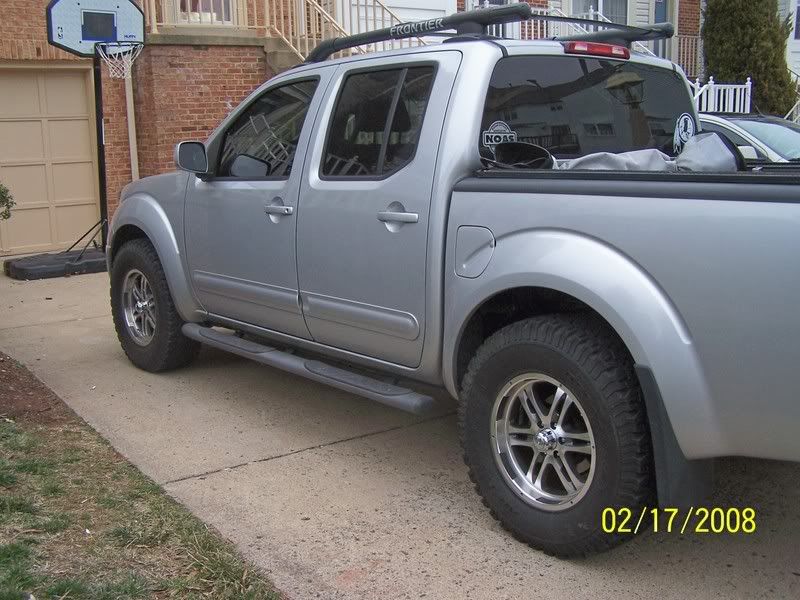
Our biggest problem in this vehicle is that people with larger tires end up rubbing while at a REAL tight turn. that comes from teh extra width on the tire, not the diameter.
So considering 255 is a dang lot skinnier, you *should* not run into that problem.
Changing width of tire by 10mm will not create a lot of extra room for a turning tire. A centered 10mm carcass change results in 5mm less on each side, or a little less than a quarter inch of sidewall clearance. That's not going to make or break tire clearances, and is certainly not a "dang lot" of difference. If you change from 265 to 235, then I might agree that the tire is a lot skinnier, but I don't believe most folks could tell you whether a mounted tire was a 265 or a 255 without walking up and looking at the sidewall.
The tire-rub culprit is, in fact, the extra diameter, all other aspects of tire and wheel combination being the same. The larger diameter tire is longer from turn axis (i.e., king pin or ball joint) to outer edge, so the tread or outermost part of the tire tracks a longer arc during a turn going from center to full deflection. That extra arc brings the tire into contact (if there is going to be contact) with suspension parts, frame, or whatever.
You also have to consider clearances at both full turn and full stuff, which is not easy to simulate in your driveway. What clears when standing still may not clear once the suspension is cycled on the trail.
You can mitigate tire rub due to larger tires by offsetting the wheels to the outside with spacers or new wheels. I don't like doing that and don't recommend it as it also changes suspension geometry and steering, and can cause extra load on wheel bearings if taken to extremes. Better IMHO to limit turn radius than offset wheels if you are trying to eliminate tire scuffing when changing to larger tires.