

AbleGuy
Officious Intermeddler
Are you a 2014 to 2019 RAM 1500 EcoDiesel truck owner?
Might want to read this!
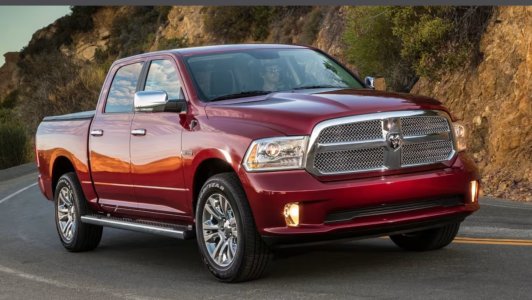
This case specifically involves Ram-branded pickups sold after that split, all under the massive Stellantis umbrella…
The settlement applies to model year 2014 to 2019 RAM 1500 EcoDiesel trucks built between June 12, 2013, and October 23, 2019.
According to the lawsuit, the trucks were equipped with exhaust gas recirculation coolers that could crack and leak coolant into the intake system. That failure is alleged to create conditions that may lead to combustion inside the engine, with some cases escalating into engine fires. FCA US, now part of Stellantis, has not explicitly admitted wrongdoing but agreed to the settlement to resolve the claims, regardless.”
See more here:
Might want to read this!
(Per below article)
“Some Ram 1500 Owners Could Be Owed Thousands After Fire-Risk Settlement
A class action lawsuit tied to a fire risk in certain Ram 1500 trucks could result in cash payouts of up to $3,575 and reimbursements for eligible owners.
Ram is … at the center of a class action lawsuit,…this time the outcome may benefit owners. A newly approved settlement could see certain RAM 1500 EcoDiesel owners receive cash payouts and reimbursements tied to an alleged fire risk linked to a faulty engine component. While these trucks are often still referred to as Dodge Rams, Ram and Dodge have been separate brands for years now, at least for the time being.This case specifically involves Ram-branded pickups sold after that split, all under the massive Stellantis umbrella…
The settlement applies to model year 2014 to 2019 RAM 1500 EcoDiesel trucks built between June 12, 2013, and October 23, 2019.
According to the lawsuit, the trucks were equipped with exhaust gas recirculation coolers that could crack and leak coolant into the intake system. That failure is alleged to create conditions that may lead to combustion inside the engine, with some cases escalating into engine fires. FCA US, now part of Stellantis, has not explicitly admitted wrongdoing but agreed to the settlement to resolve the claims, regardless.”
See more here:
Loading…
www.autoblog.com
Last edited:


