2180miles
Endurance Adventuring
Looks great! Really impressed with the build!
Impressing!
Thanks guys! Appreciate the kind words.

Looks great! Really impressed with the build!
Impressing!
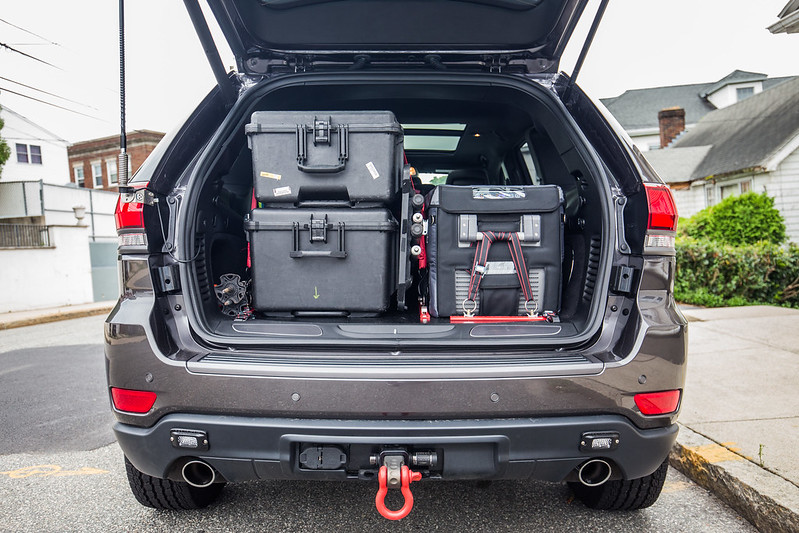
Ryan-- I read through your recent trip up through Canada and was wondering if you could share details of the gear/stuff you brought (in the pelican cases). In particular, what did you use and what would you not bring next time?
We do a handful of road trip/car camping type trips each year and I feel like I'm getting better at this but it's always a challenge to bring enough, but only what you actually need. There's four of us and we take either a 2door LJ wrangler or an accord, so as you can imagine we have to pack light.
Also, how do you like the fridge? I've been eyeing either the Dometic or indelB in something around 28-30L. I think that's enough space.. I think. They're about the same exterior size as our old Coleman and about the biggest thing I can fit.
Ryan-- I read through your recent trip up through Canada and was wondering if you could share details of the gear/stuff you brought (in the pelican cases). In particular, what did you use and what would you not bring next time?
And one more question--what size and model is the fridge? Did you think the space was sufficient... we're you saying to yourself, boy I'm glad we didn't get a smaller fridge!
Great great build...
Do you know what gvwr is and what you actual wet, loaded weightt is?
D
It would be great to know weight over each axle, if you have a axle split scale available... truck stops typically have them...
Full of fuel, water, etc..
It's not like their is some magical line in the sand where the vehicle breaks if over gvwr... but it would be good info to know...
Fully loaded, How does it handle? Brake , steer? Handle rough fire roads? etc...
We just purchased a 2018 JGC overland... for my wife... and I agree completely about how impressed I am with the vehicle... and since I am a musician and sound engineer, I tend to notice that stuff acutely, so others may not notice as much...
Looking forward to learn more about your rig... if you ever make your way down to Montana, outside of Yellowstone, we have a guest house with your name on it... thanks for sharing...
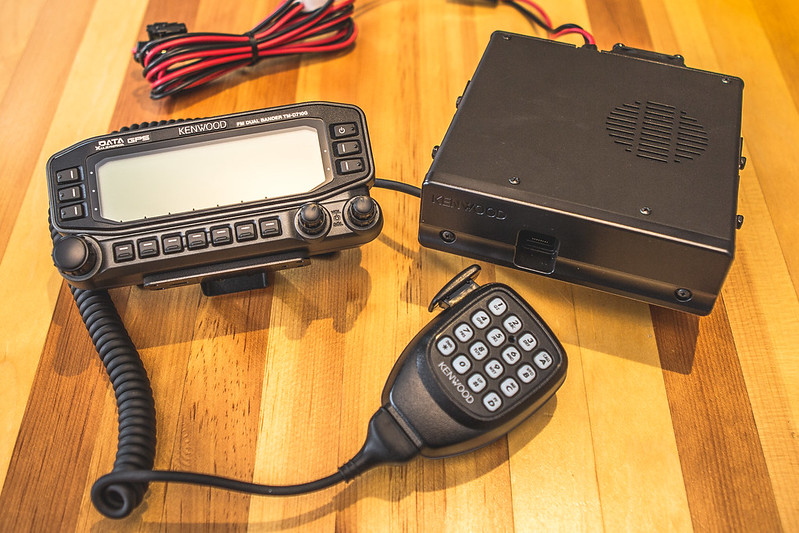
What do you do with the HAM radio? Entertainment? I am a bit fascinated with them, but I have no idea what I would use one for....
Thanks, I went with sat based communication devices instead...