Get your tickets to THE BIG THING 2026!

You are using an out of date browser. It may not display this or other websites correctly.
You should upgrade or use an alternative browser.
You should upgrade or use an alternative browser.
Post your HDR pics!
- Thread starter taco2go
- Start date

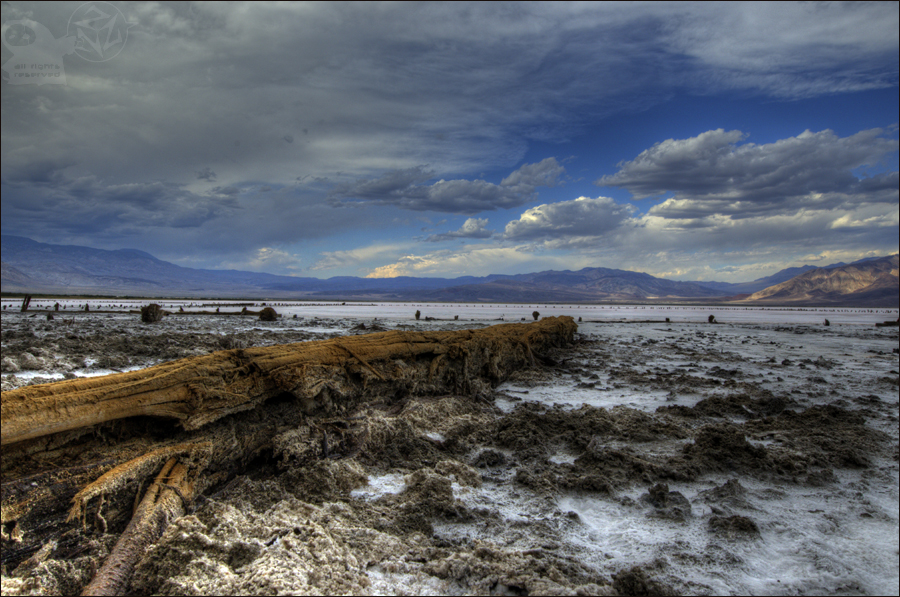

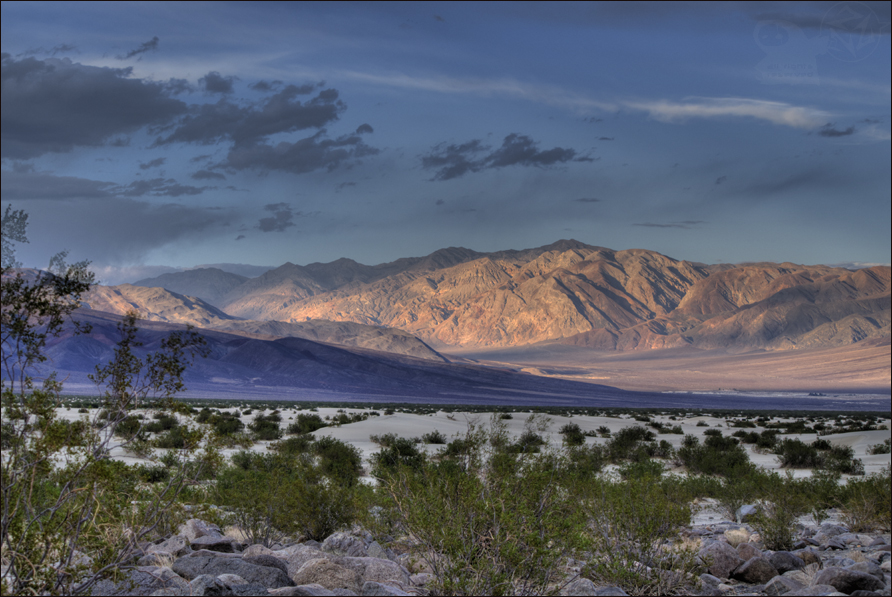

Tucson T4R
Expedition Leader
For moving water or clouds I just let them fuzz out. The softening effect can work out nicely sometimes.
The tutorial I posted above shows how you can handle moving objects like people that you would not want in motion. He basically uses layers in photo shop to bring in the still image of the object from just one of the bracketed captures.
The tutorial I posted above shows how you can handle moving objects like people that you would not want in motion. He basically uses layers in photo shop to bring in the still image of the object from just one of the bracketed captures.
Tucson T4R
Expedition Leader
Was just tying to deal with a wide range of light but tried to keep these as realistic as I could.


Lost Canadian
Expedition Leader
More and more I'm starting to wonder how often multiple image high dynamic range processing is really needed. I know there are times and situations that exceed my cameras limits but those instances I find are becoming less and less in recent years. Reason I bring this up is because on my last trip out I only took my D7000 and two lenses with me and I was really surprised by how much dynamic range the camera could capture with a single exposure. Some images had to be pushing 13-15 stops in range, which made me wonder, how many situations require much more.
For instance, these two images below shocked me. These are just single RAW images that were processed in Lightroom. In the first, I'm sitting in the shaded woods, and it's around high noon with a bright blue sky. The camera was able to capture the entire scene that was mostly in shade without killing highlights of the few white birch trees that were sitting in the bright sun at the top right. Remarkable stuff IMO.

Here's a crop of the top right.

And here's another image, same thing, single shot processed in Lightroom. Conditions, about 10:30 am with bright mixed clouds, and I'm shooting in the shade.

...and the crop of the sky.

So I'm currious and am wondering if anyone has any thoughts on the subject regarding our reasons for choosing HDR that perhaps we could discuss?
For instance, these two images below shocked me. These are just single RAW images that were processed in Lightroom. In the first, I'm sitting in the shaded woods, and it's around high noon with a bright blue sky. The camera was able to capture the entire scene that was mostly in shade without killing highlights of the few white birch trees that were sitting in the bright sun at the top right. Remarkable stuff IMO.
Here's a crop of the top right.
And here's another image, same thing, single shot processed in Lightroom. Conditions, about 10:30 am with bright mixed clouds, and I'm shooting in the shade.
...and the crop of the sky.
So I'm currious and am wondering if anyone has any thoughts on the subject regarding our reasons for choosing HDR that perhaps we could discuss?
Last edited:

Tucson T4R
Expedition Leader
Here's my example. With a single exposure and Lightroom I could get similar results but I had to use the graduated ND filter tool and some fill light to get anything out of the shadows. When I compare the two images I personally like the HDR version better.
One exposure processed with Lightroom to bring out the shadows:

Same image with 3 exposures processed with Photomatix HDR.

A similar scenario.
One exposure processed with Lightroom to bring out the shadows:

Same image with 3 exposures processed with Photomatix HDR.
One exposure processed with Lightroom to bring out the shadows:
Same image with 3 exposures processed with Photomatix HDR.
A similar scenario.
One exposure processed with Lightroom to bring out the shadows:
Same image with 3 exposures processed with Photomatix HDR.
Last edited:
Lost Canadian
Expedition Leader
Here's my example. With a single exposure and Lightroom I could get similar results but I had to use the graduated ND filter tool and some fill light to get anything out of the shadows. When I compare the two images I personally like the HDR version better.
One exposure processed with Lightroom to bring out the shadows:
Same image with 3 exposures processed with Photomatix HDR.
Brad, I actually like the first one better, just a personal preference. The second one looks too unnatural for my tastes, and my only reasons for saying this stem from a couple little nit-picky things. The first being shadows in the bottom appear to have taken on an unnatural blue/cyan cast, and the contrast of the image overall looks crunched and there actually appears to be a loss of gradient tonality. You can see this in the bumper and under the front of the vehicle. In the first shot I'm actually seeing more details in the shadows, and there is a smoother transition from light to dark, less contrast.
TJDIV said:perhaps you could process both shots in HDR and see what you think?
just because something is often "good enough" doesn't mean it can't become spectacular.... (my opinion)
I could, but I guess what I'm really wondering is why or what would be my motives or reasons for choosing HDR processing, especially of a single image, over say traditional processing? Would it be for creative reasons to get that "far out" feel or is it for some other reason? Is HDR processing needed if the goal is a stylistic approach, and is it appropriate or necessary if your goals are to get a natural look? Just questions I have for why people are deciding to go down the HDR path.
And please don't get me wrong, I'm certainly no HDR hater, in fact there's a lot I like, mostly images that a hand blended mind you, but I can respect others creative choice turn things up full blast too, I'm just curious what motivate others to use HDR processing techniques, is it the "look" or is it to try and get more tonal range, both?
Lost Canadian
Expedition Leader
In the spirit of sharing, here is a 3 exposure HDR image from the spring. The range was -2/0/+2. Each image was processed and balanced in Lightroom first then all three were merged into Nik's HDR Efex Pro and then the final image was pushed back into Lightroom again for some final adjustments. It was a pain to get it looking natural but in the end I think I got pretty close.

Last edited:

taco2go
Explorer
I see basically 2 important and fairly clear aspects of HDR usage:
1. There is obviously a HDR 'look'- which is a completely legitimate reason to process thusly,for subscribers to that line of visual thought.
It is a purely aesthetic choice with lots of appreciation. All the HDR shots I posted here were in attempt to simulate that whole Trey Ratcliff vibe. Not something I'll be getting accustomed to anytime soon, but try to appreciate nonetheless.
2. As a tool to improve dynamic range: here is where I think we need new definitions, because HDR techniques, and exposure blends are often used- often completely un-noticed.
I compare it to using ND grads out in the field.
But as Trevor is indicating- these sensors are getting pretty damn good.
Although when you compare it to the stops the human eye can accomodate- nowhere near close enough.
1. There is obviously a HDR 'look'- which is a completely legitimate reason to process thusly,for subscribers to that line of visual thought.
It is a purely aesthetic choice with lots of appreciation. All the HDR shots I posted here were in attempt to simulate that whole Trey Ratcliff vibe. Not something I'll be getting accustomed to anytime soon, but try to appreciate nonetheless.
2. As a tool to improve dynamic range: here is where I think we need new definitions, because HDR techniques, and exposure blends are often used- often completely un-noticed.
I compare it to using ND grads out in the field.
But as Trevor is indicating- these sensors are getting pretty damn good.
Although when you compare it to the stops the human eye can accomodate- nowhere near close enough.
Lost Canadian
Expedition Leader
I see basically 2 important and fairly clear aspects of HDR usage:
1. There is obviously a HDR 'look'- which is a completely legitimate reason to process thusly,for subscribers to that line of visual thought.
It is a purely aesthetic choice with lots of appreciation. All the HDR shots I posted here were in attempt to simulate that whole Trey Ratcliff vibe. Not something I'll be getting accustomed to anytime soon, but try to appreciate nonetheless.
2. As a tool to improve dynamic range: here is where I think we need new definitions, because HDR techniques, and exposure blends are often used- often completely un-noticed.
I compare it to using ND grads out in the field.
But as Trevor is indicating- these sensors are getting pretty damn good.
Although when you compare it to the stops the human eye can accomodate- nowhere near close enough.
I'd agree with that.
I'm with you on the definitions thing as well. It's all very confusing. Is HDR a style or a processing method? I mean, I can process photos a million different ways, and can get the HDR style look without it being processed as an HDR image, so it begs the question, would it be an HDR image, or just stylized? For instance, I just did this in Lightroom and it took me all of 30 seconds, look ma a half-breed.

Conversely, if I process 10 bracketed photos into one HDR image but end up with an image with less tonal range than just a single photo could capture, is it an HDR image?
Lost Canadian
Expedition Leader
Nice shot- I spy you in the fender.
I vote for HDR being a processing method.
Semantic gurus need to come up with a name for the style.
Lol, well to be honest it was intended to be a bit of a joke, but I suppose it works,...sort of, thanks!
And I agree Joash, I think of HDR as a process where by you increase dynamic range. Personally, and this is just my opinion of course, if the dynamic range of an image doesn't exceed the capacity of what a single image can capture then it isn't really much of a "High Dynamic Range" photograph. But as you pointed out, it's all semantics I suppose.
Now, one area that i find HDR processing really lends itself well to is black and white. I've seen some absolutely stunning black and white HDR images with fantastic tonalities that don't look a bit out of place or odd, and had I not been told they were HDR I wouldn't have even known.

In the spirit of sharing, here is a 3 exposure HDR image from the spring. The range was -2/0/+2. Each image was processed and balanced in Lightroom first then all three were merged into Nik's HDR Efex Pro and then the final image was pushed back into Lightroom again for some final adjustments. It was a pain to get it looking natural but in the end I think I got pretty close.
Very natural.
As I've been researching HDR photography over the last few days, I've noticed that it is definitely a style of processing. The composure is the same as "regular" photography, but post processing is definitely what makes an HDR photo, not the initial click(s) of the camera lens. The photo above is a good example of using HDR techniques to create an enhanced image. The photo of the car in Cuba I would call an altered image created for art. The "semantic gurus" who accuse HDR users of photographic blasphemy probably aren't interested in this new age art style.
After looking at bunch of photos for inspiration, I've found that I don't care for the look of HDR all that much. But that is my opinion for what satisfies me visually. What I do not like is when the semantic gurus in any field (photography or Land Rovers) say that some things shouldn't be altered. It's the user's imagination and preferences that mean the most. All of the HDR photos are definitely interesting and different and show the photographer's unique styles.

Viggen
Just here...
This is an HDR also and it turned out better than the single "right exposure" shot that made it (-1,0,1). I can easily mimic an HDR shot by "burning" certain aspects of the photo but by doing that, I would be losing out on some of the colors. I chose to do a few HDRs at this museum because the lighting was not that good in a lot of places. HDR allowed me to bring out all of the copper tubing, the different shades of the worn out solid rubber tires and the changes in brown on the props. If I played with the different areas on the tone curve in Lightroom, I couldve created an HDR like photo but I wouldve lost out on other colors. Kind of like using recovery. It might help the sky by bringing out the clouds but it will kill everything else. My .02 at least.

Flickr
That being said, HDR is an individualistic thing, just like editing a photo is. I like my photos just a tad on the underexposed/ dark side. Some like them an little on the light. Its a process and everyones eye is different.
One I took not too long ago. I did it in HDR because the shadows were lost in the regular photo.

Flickr
Flickr
That being said, HDR is an individualistic thing, just like editing a photo is. I like my photos just a tad on the underexposed/ dark side. Some like them an little on the light. Its a process and everyones eye is different.
One I took not too long ago. I did it in HDR because the shadows were lost in the regular photo.
Flickr
Last edited:
Nice shots Viggen. Great examples of what I think HDR style " should be". Very, very, very nice pic of the plane.