The load terminals monitor the load, there's a couple of reasons for this.
One is to protect the battery from being too deeply discharged and ruining it. The controller may be able to disconnect the load if the battery discharges too low. It could also protect a load that cannot tolerate being run at a low voltage.
It also may be a feature in the controller to measure power consumed and returned to the battery. If you connect directly the battery the controller doesn't know how much has been consumed by the load and only knows what it's putting in during charge.
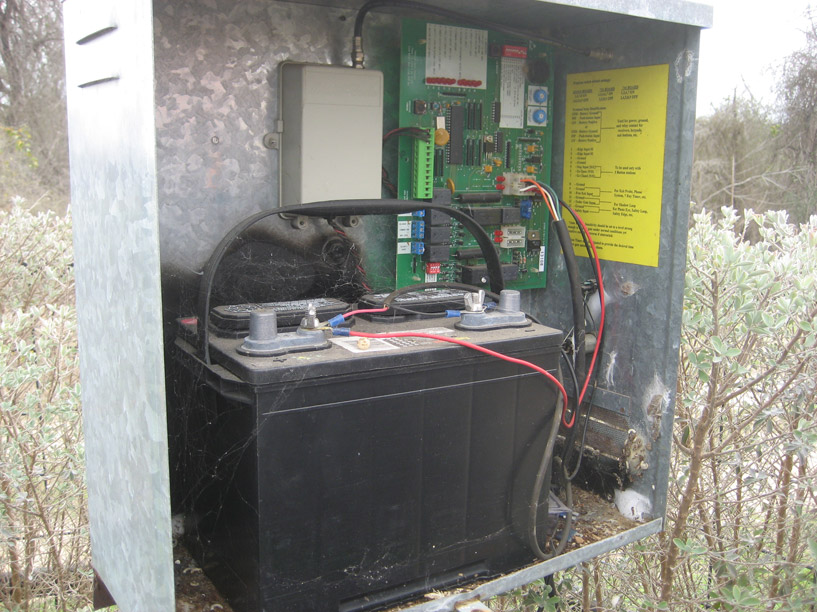
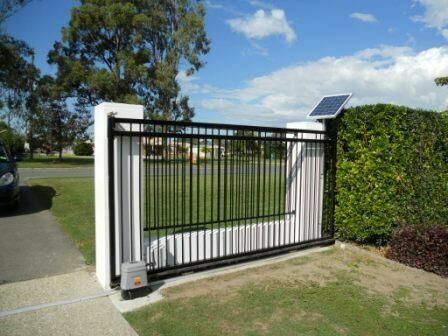
Originally used for a nightlight on a solar powered electric gate setup, where you want to make sure the nightlight doesn't drain the battery so far that the gate motor doesn't operate.
Many electric gates run the electronics and motors off a 12v battery, so it will work even in a power outage, and only use the 120v from the building to trickle charge the battery.
It's been that way since before solar, so one of the first uses of solar was to add a small (they used to be "real expensive*") solar panel to an electric gate.
A common use for small solar installations is to run lighting at a remote location. A sign, toilet, outbuilding etc. The Load terminal gives an easy way to prevent killing the battery.
The load terminals allow you to pull power direct from the controller before it goes to the battery. It’s more efficient than pulling from the battery as some of the energy is lost due to heat in the battery charging process. Most controllers will not provide power to the load terminals until the battery has reached a preset charge level.
This site uses cookies to help personalise content, tailor your experience and to keep you logged in if you register.
By continuing to use this site, you are consenting to our use of cookies.