rruff
Explorer
Yes, you'd need a better suspension system to compensate... or lockers.Part of frame twist is to keep wheels on the ground. If the frame did not twist, one wheel will be in the air and get no traction.
Cool. What are the details on your mounting system?I manufacture insulated fiberglass truck utility bodies (which are sometimes used as a starting point for campers).
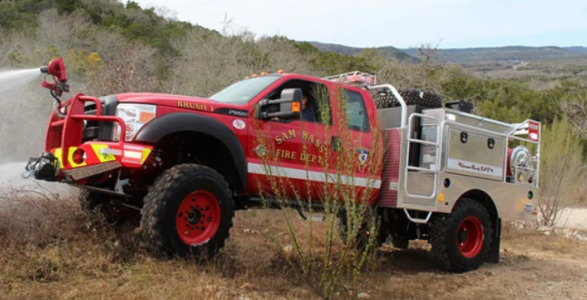
These trucks are DRW chassis cabs with C-channel frames and conventional flatbeds. Several of these trucks are used by rural fire departments, and are treated worse than a rental car by young men running "code three" to accidents, fires, etc and see lots of very rough use on poorly maintained fire service roads. The punishing use these trucks endure is much worse than most would want to subject their camper to, and the only structural damage any of them have picked up is from striking low hanging trees.![]()
Cool... any links or more info?I manufacture insulated fiberglass truck utility bodies (which are sometimes used as a starting point for campers).
The somewhat unique situation that overland campers have, is regularly going through ditches or ravines at an angle, or just ground that is very uneven. If the flatbed is stiff and heavy, then that will protect the camper from twist, but it will transfer more stress to the truck's frame, creating a stress concentration at the forward mounting point. Even if that was dealt with by reinforcing the frame, it's better for traction and performance to let the frame twist as it's designed, and have the flatbed articulate.The punishing use these trucks endure is much worse than most would want to subject their camper to, and the only structural damage any of them have picked up is from striking low hanging trees.![]()